Biochemistry 158/258 - HumBio 158G
BioMedical Informatics 258
Genomics, Bioinformatics & Medicine
This course is no longer being offered for credit at Stanford. However the course web pages, slide and video links for the last two years of the course will be maintained on this site for those who which to view and audit the course or for those who wish to use the lecture materials in their own courses.
This course covered the molecular basis of inherited disease. We discussed both simple Mendelian diseases and complex, multifactorial diseases in which both genetics and environmental factors are involved. We discussed genomics, functional genomics, epigenetics, gene expression, SNPs, copy number and other structural genomic variations involved in disease. In addition to these diagnostic approaches, we discussed novel therapeutic methods such as stem cell therapy, gene therapy and drug developments that depend on the knowledge of genomics. We discussed personal genomics, pharmacogenomics and clinical genomics and their role in the future of preventive medicine.
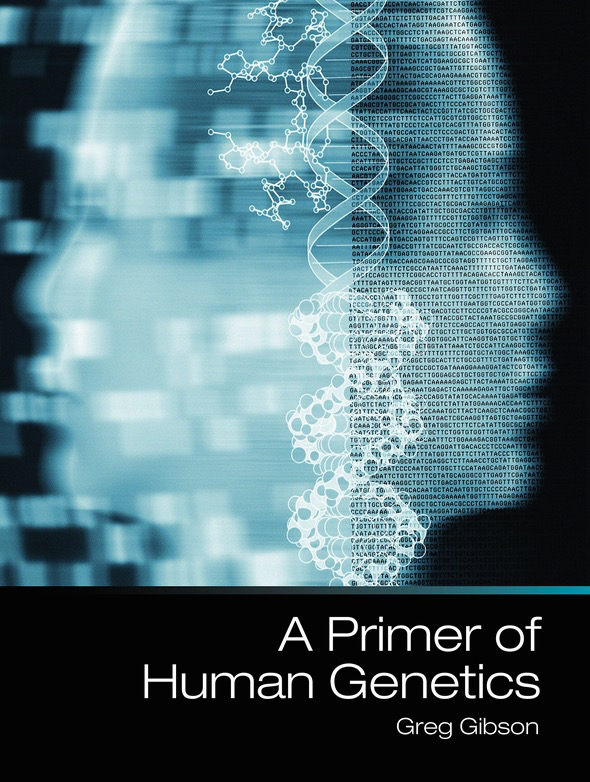
A Primer of Human Genetics 1st edition is not required for the course but it provides an excellent introduction to the material discussed including basic genetics and genomics used in medicine and research. This book would also be a good reference book for those continuing to work in this field.
A Primer of Human Genetics by Greg Gibson
Amazon |
An Elementary Introduction to Genetics, Genomics and MedicineThis free, downloadable book covers the essential introductory material that every student should know before taking this course.
Genetics Home Reference Handbook |
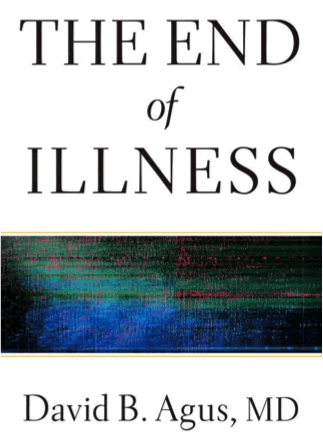
The End of Illness by David AgusA layman's introduction to personal genomics
Amazon |
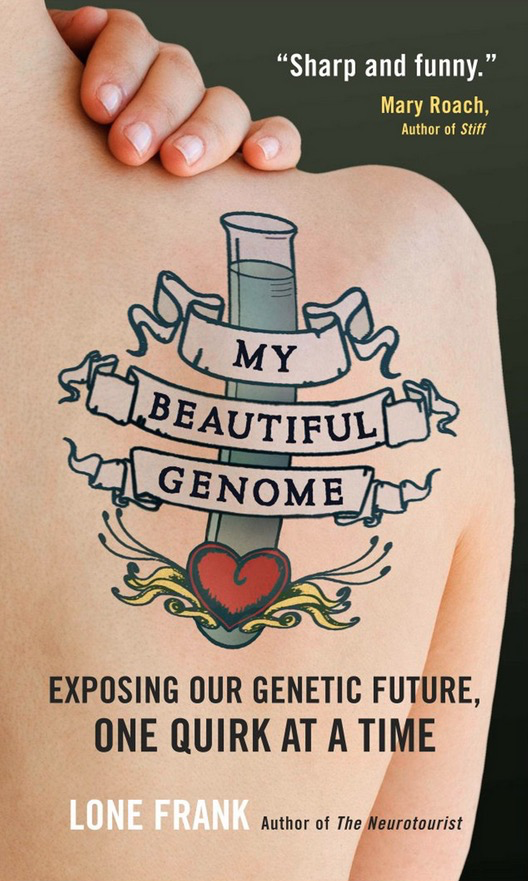
My Beautiful Genome by Lone FrankThis entertaining and enlightening book is readable by all and is the author's story of the impact of the knowledge of her genome.
You Tube Video of Lone FrankAmazon |
Each of the lectures above has its own handout. Please click on the lecture title to see the handout. The handouts include the lecture slides, literature references and web references used in that lecture. Lecture Video Links are for download only. You must right-click (on a Macintosh Control-Click) on the video link and save the video file to your computer. Then you may watch the lecture using whichever media viewer you may have on your computer (QuickTime, VLC, Windows Media Player etc.). You should also download the slide document for that lecture and view it in Adobe Reader so you can see the slides in high resolution.
Research Projects
Topic
1
2
Mendelian disease case presentation (4 page max)
3
Functional analysis of a human gene (4 page max)
4
Summary of a genome-wide association study (4 page max)
5
Describe genomic variations known to cause a specific inherited disease (4 page max)
6
Describe a disease that could be cured using stem cell therapy (4 page max)
7
Final project (10 page max)
Examples of Previous Final Papers
Each assignment is a short research project. Click on each project title to see how to perform the research project and an outline of what is expected.
© Doug Brutlag 2015
*** Web Site Last Updated September 7, 2015***